10 things that make an early dark run easier
Gear is the easy half of running in the dark. A headlamp, something reflective, and the shopping is over. But shopping isn't what decides whether you're out the door on a wet morning in November. What decides it is whether anything was ready the night before, and whether you got anything in you first.
Early dark runs make you feel like you want to skip breakfast. Nothing looks good at that hour, and going out empty is the easier decision. That feeling is why half of this list is food.
So it's sorted by when it happens. Getting seen, the parts that aren't gear at all, what goes in you before you go, and the week the clocks change. No clock times in any of it, because you already know when you have to leave.
Getting seen
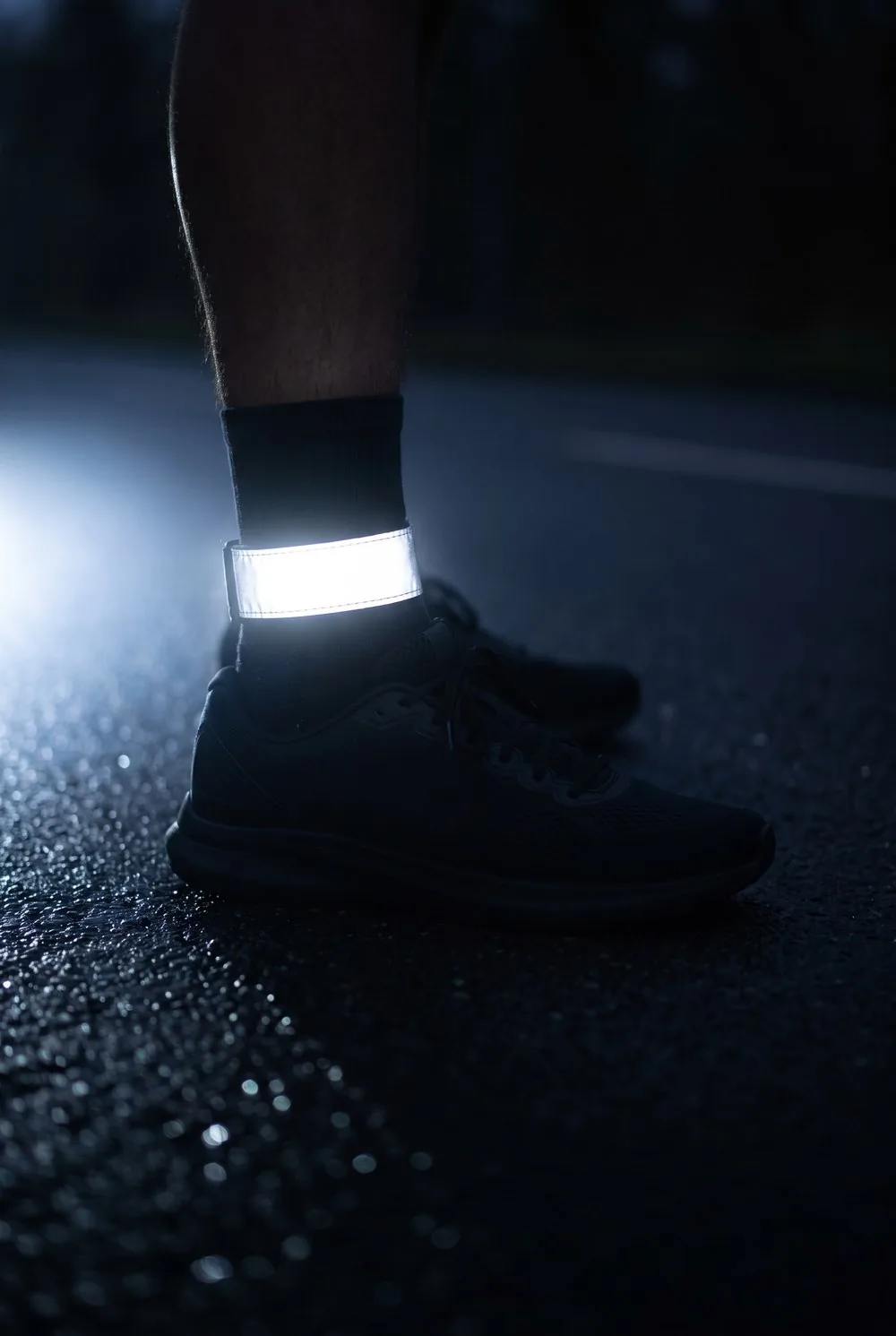
Moving parts catch the eye first. So where the reflective goes matters more than how much you're wearing. Bright color is a daylight thing. At night the reflective does the work.
1. Reflective on the parts that move.
Ankles and wrists do more work than your back does, which is backwards from how most reflective gear is built. A vest isn't wasted, it's just parked on the part of you that stays still.
2. A light that shows where your feet land.
Aimed low and close. A beam thrown far down the road lights the road, and leaves the pothole two steps in front of you dark.
The parts that aren't gear
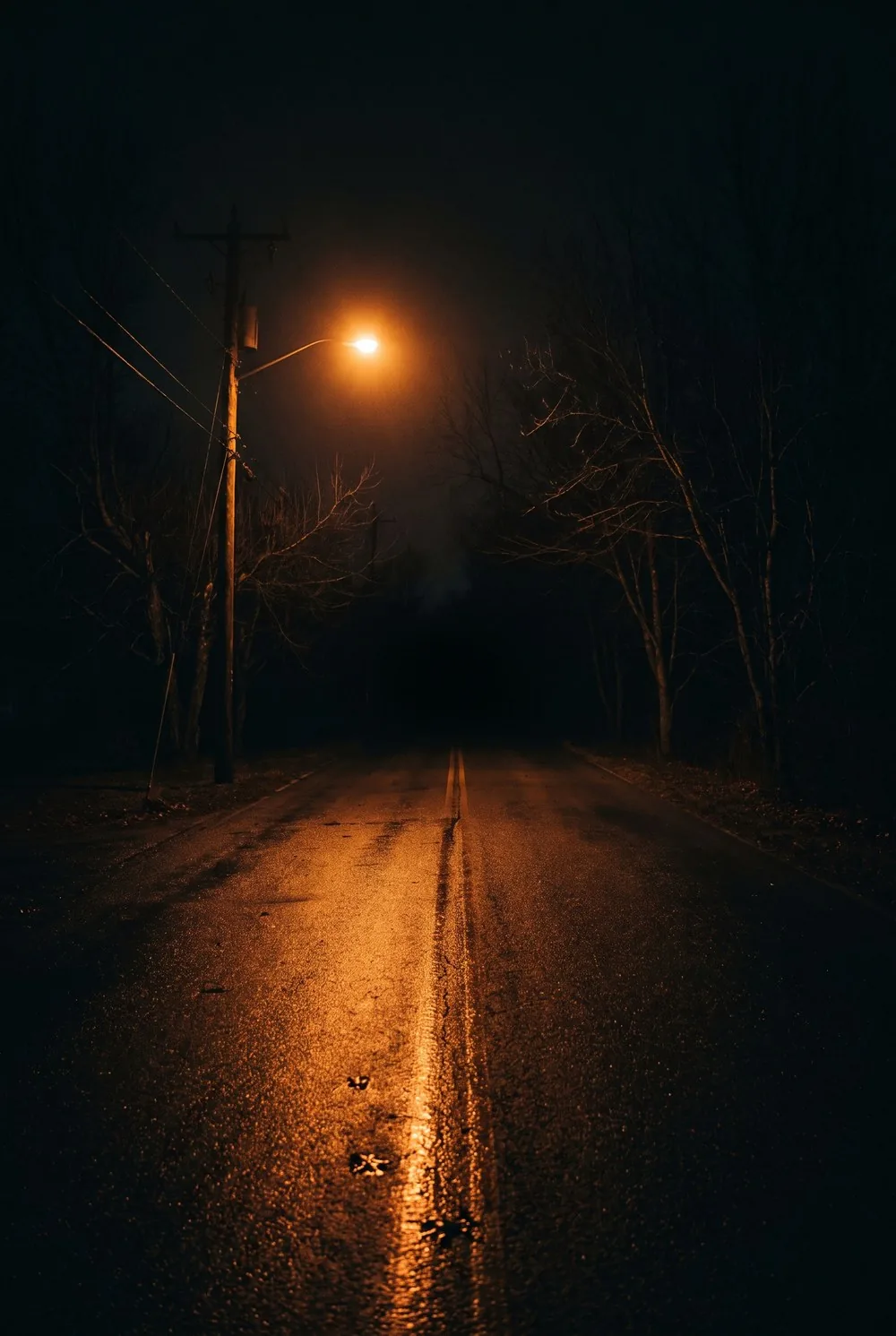
The two cheapest things here get skipped the most, because neither one feels like preparation.
3. One person who knows the route.
The loop and roughly when you're back. It's one text and it changes what happens if the morning goes wrong.
4. One loop you know by heart.
For the mornings it's raining and you've already talked yourself out of it twice. No decisions left in it, so there's nothing to negotiate with.
What goes down when nothing sounds good
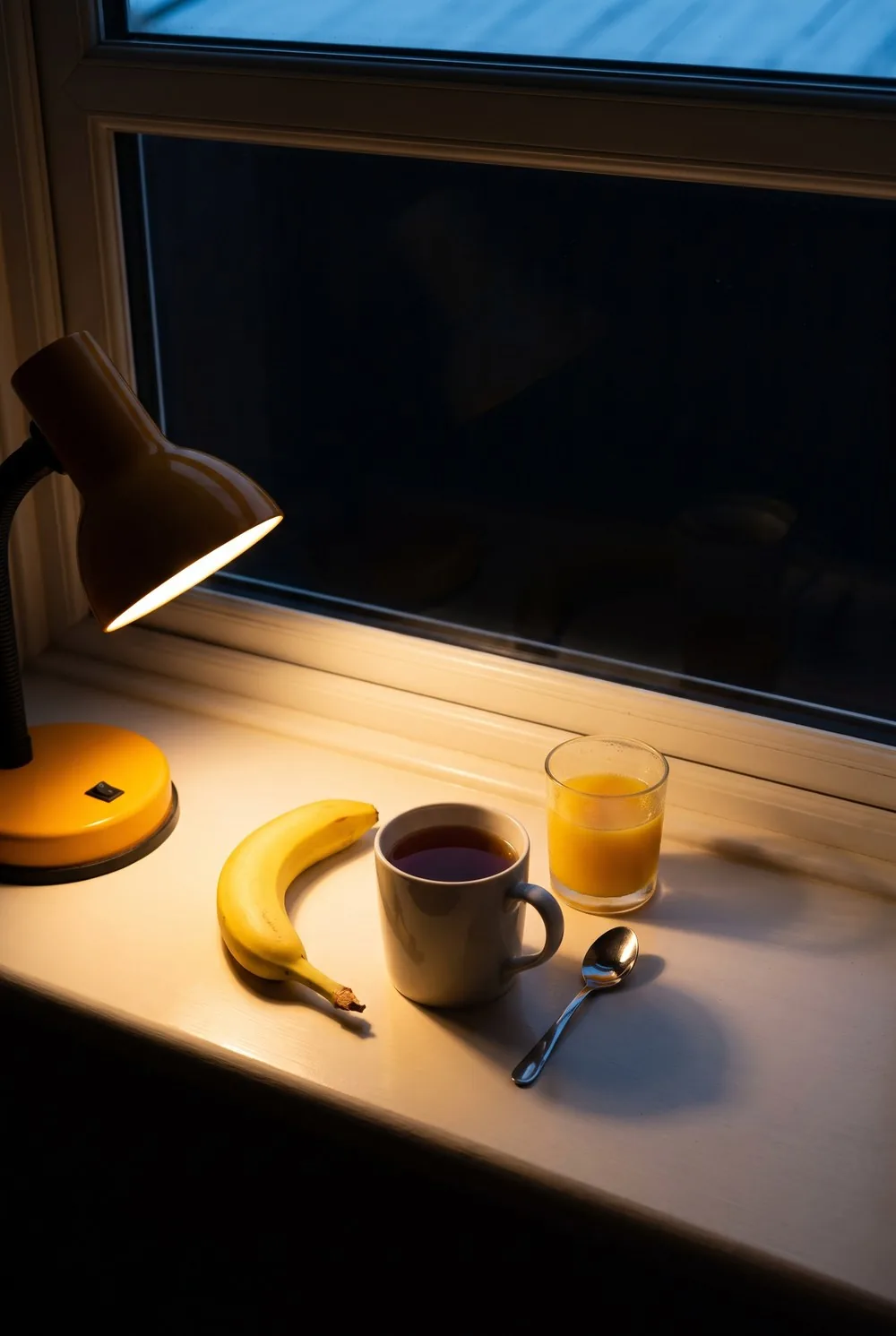
The food half is for a morning with no appetite in it, so sweet and liquid do most of the work. And when skipping it becomes the pattern on the harder mornings, it isn't really a one-off.
5. Something you can drink.
When food doesn't appeal, liquid still goes down. Juice, chocolate milk, a smoothie sitting in the fridge from last night.
6. Dried apricots, left out on the counter.
Sweet enough to work at that hour, and they need no fridge and no plate. The choice also got made while you still had an appetite and the lights were on.
7. Dry cereal, straight out of the box.
No bowl and no milk, which is the whole point at that hour. A proper breakfast that stays on the counter feeds nobody, and this one gets eaten.
8. Something warm.
Most people save the hot drink for after. On the way out it does a different job: a dark kitchen feels less like the middle of the night, and a warm one gets finished.
If it's a long run rather than an ordinary morning, the food list for a long day is the bigger version of the same problem.
The night before, and the week the clocks change
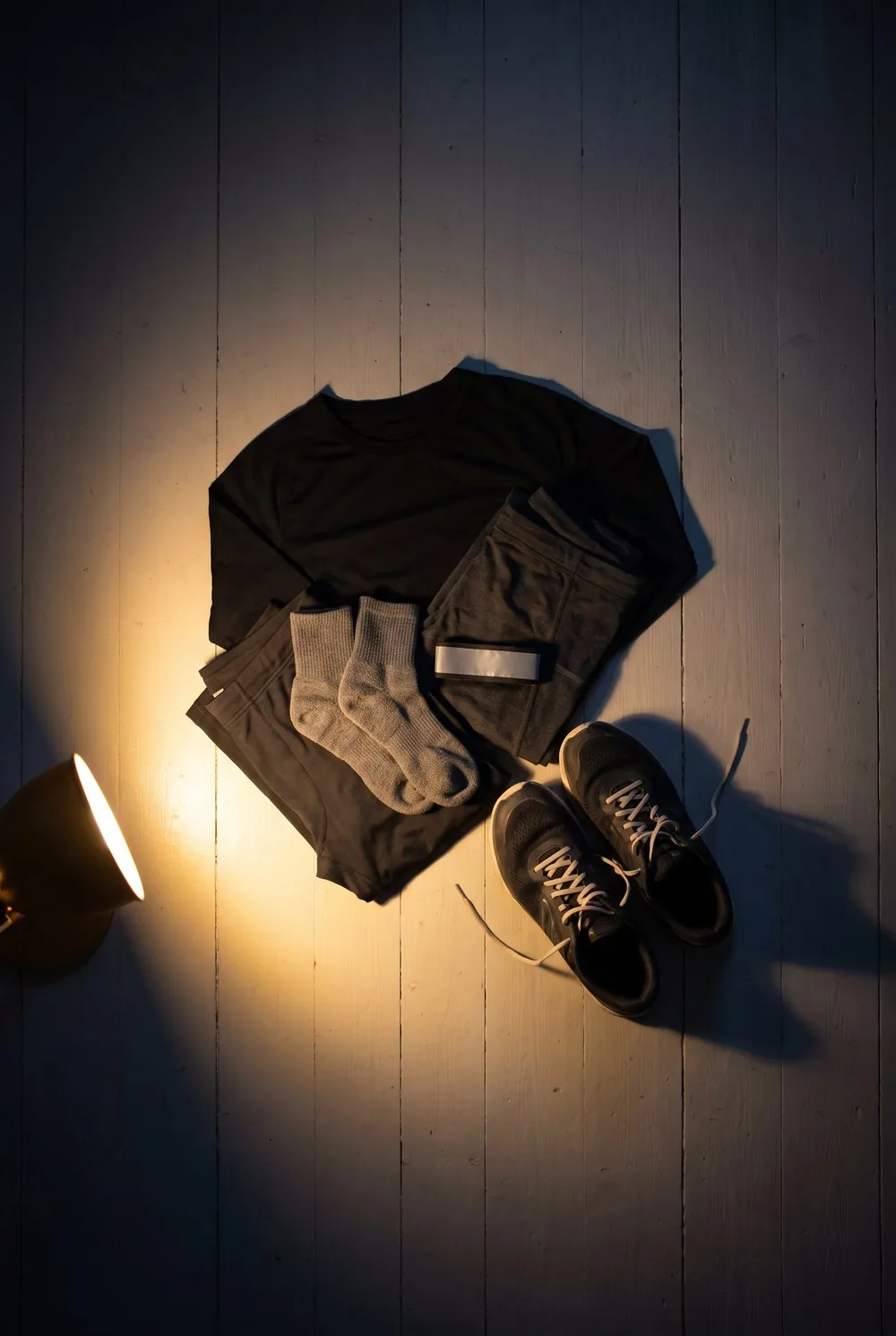
9. Clothes by the door.
One pile, socks included. Nothing that needs finding in the dark, because that's the part that talks you out of it.
10. The week the clocks change.
The evening run disappears overnight. The morning gets its light back in the same move, which is the whole reason the run migrates there. Which one you're switching to is a decision that gets made for you if the week lands first.
The one question I won't answer
How much, and how early? Neither one has an answer that's true for everybody, and yours is what Idunia is built to work out.

Early miles in the dark still run on enough.
Idunia tracks whether you are eating enough for the training you do.
Download on the App Store Get it on Google PlayFree to use. Pro is optional.
Scan to get Idunia on your phoneOpens the App Store or Google Play.
Get the next one
New writing on fueling for women who run.
Email only. Why. Privacy Policy.